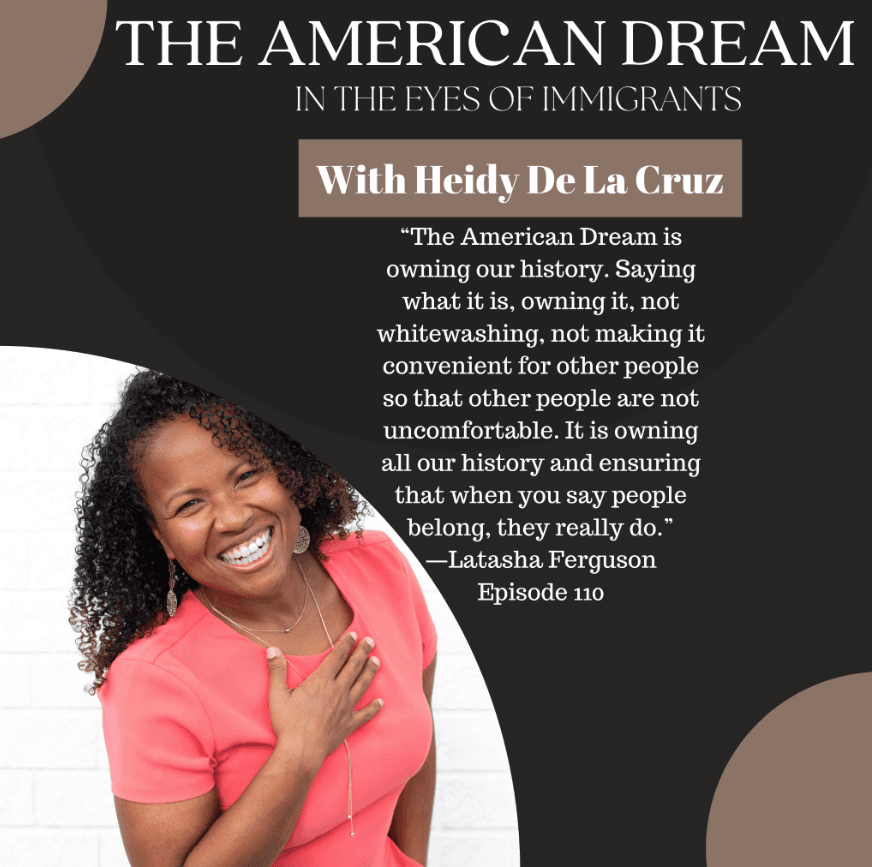
Not Fitting in as a Black Woman at Work? Latasha’s Story Will Make You Feel Seen
| TL;DR: Not fitting in as a Black woman at work can feel isolating, especially when you are also navigating identity, culture, and belonging. Latasha’s story shows how faith, community, self-acceptance, and creating your own table can help you feel seen without shrinking who you are. |
Not fitting in as a Black woman at work can feel exhausting.
Have you ever felt like you didn’t quite fit in? Maybe you straddled two cultures, never fully belonging to either? This feeling of being caught between worlds is a common experience for many immigrants and children of immigrants, who grapple with questions of identity, acceptance, and belonging.
In this episode of the “American Dream in the Eyes of Immigrants’ podcast, I sat down with Latasha, an Orlando native with Korean and Black heritage, to talk about identity, faith, belonging, natural hair, and what it means to create space for Black women professionals who are tired of being the only one in the room.
Her story is for anyone who has ever wondered, “Where do I actually belong?”
Listen to Latasha’s Story About Not Fitting in as a Korean-Black Woman at Work
Growing Up Between Cultures and Feeling Like an Outsider
Latasha’s story begins with a childhood shaped by cultural diversity and constant relocation. Born on a military base in Kansas, she spent her formative years in Germany, surrounded by a vibrant mix of cultures. Her mother, who is Korean, created a strong sense of community. Food played a central role in their family life, connecting them to their heritage and to others. “I love food so much because it goes along with people’s stories,” Latasha shares, highlighting the importance of food as a cultural bridge.
The family’s move to a small, racially divided town in Florida marked a turning point. Suddenly, Latasha and her sister found themselves as outsiders, constantly questioned about their identity. “What are you?” people would ask, unsure how to categorize their mixed heritage. This experience led to feelings of insecurity and a struggle to find her place. It created a sense of pressure to choose between her Black or Korean identity.
The Pain of Not Fitting In Anywhere
This challenging environment led Latasha to make choices she later regretted. Trying to fit in, she entered into an unhealthy relationship and became pregnant at 17. This event caused her dreams of college and a different future to fade, as she grappled with the responsibilities of motherhood and a lingering identity crisis.
Every immigrant story deserves to be heard. Launch your podcast with a course designed to make the process simple and doable. Launch Your Podcast
Faith Helped Latasha Find Her Way Back to Herself
Latasha’s journey took a transformative turn as she sought solace and guidance during a difficult period. Growing up in the church, she realized she didn’t truly know God on a personal level. This realization prompted a spiritual awakening, leading her to develop a deeper connection with her faith. “During the hard season is where I was like, God, I need you,” she recalls.
This renewed faith provided strength and direction. It helped her navigate the challenges of young motherhood and the ongoing search for self-acceptance. Her bond with spirituality helped change her outlook on life and her path forward.
The Weight of Being “Not Black Enough” or “Not Asian Enough”
The year 2020 proved to be a pivotal year for Latasha. The combination of the global pandemic and the rise in racial tensions created an environment that forced her to confront long-held feelings about her identity. The killings of George Floyd and Breonna Taylor sparked widespread protests and a national reckoning with racial injustice. At the same time, anti-Asian hate crimes were on the rise, fueled by the COVID-19 pandemic.
Witnessing these events, Latasha felt a deep sense of turmoil as she grappled with her dual heritage. “I just started crying,” she remembers. “I felt like every day I was weeping.” During this period, she was invited to a prayer group for Asian women. Despite initial hesitation, fearing she wouldn’t be “Asian enough,” she decided to attend.
Breaking Down Barriers
Logging into that Zoom call was a brave step for Latasha. She shared her feelings of being “not Black enough” in Black spaces and “not Asian enough” in Asian spaces. To her surprise, she was met with compassion and understanding. She met Rachel Wade, a woman of Japanese and Black heritage, who shared similar experiences. This connection was a turning point, helping Latasha realize she wasn’t alone.
This experience marked a breakthrough. Latasha began to fully embrace her mixed-race identity. “You are 100% African American,” she realized, “You are Black. Stand in that and be proud. You are 100% Korean. Stand in that and be proud.” She no longer felt the need to justify or explain herself. It was time to be 100% herself.
You May Also Like: Immigration Attorney’s Journey: From Iran to Social Media Star
Embracing Natural Hair Became Part of Her Healing
Latasha’s journey of self-discovery extended to her hair. She had relaxed her hair for years. The drive is by societal pressure and a lack of representation of natural Black hair. However, inspired by her daughters, she decided to embrace her natural curls. She went through the process of growing out her relaxed hair, seeking guidance from a curly hair specialist.
The day she finally got her hair cut, she felt a sense of liberation. Her curls sprung to life, revealing a part of herself she had never fully known. “It was almost like my hair was like, we are free!” she exclaims. Embracing her natural hair was a powerful symbol of her newfound self-acceptance. Her hair journey truly embodied her identity.
Turning 40 further solidified Latasha’s sense of self. She stopped caring about what others thought and started living life on her own terms. “I’m going to wear loud colors, I’m going to wear bright,” she declared. “I’m gonna, you know, speak the way I want, laugh the way I want.”
Creating Space for Black Women Professionals
Latasha’s journey has led her to become a powerful advocate for other women of color. Recognizing the unique challenges faced by Black women professionals, particularly those who are “onlys” in their workplaces, she founded Mahogany Table. This organization creates spaces and events where Black women can connect, support each other, and prioritize their well-being.
- Mahogany Table gatherings offer a safe space to discuss issues such as microaggressions, workplace stress, and the challenges of balancing personal and professional lives.
- These events provide opportunities for networking, mentorship, and building community among Black women professionals.
- Latasha brings in experts, such as licensed mental health therapist Keisha Polonio, to offer resources and destigmatize therapy and self-care.
Latasha’s goal is to empower Black women to prioritize their well-being and thrive in all areas of their lives. “We don’t need a lesson on how to work harder, faster, more,” she explains. “But where we struggle is how to take care of ourselves.” Her goal is that women feel seen, known, loved, and feel like they belong.
The American Dream: A Vision of Inclusion
When asked what the American Dream means to her, Latasha offers a powerful vision of inclusion and equity. She hopes for a future where everyone is welcome in the United States, where the contributions of immigrants and enslaved people have recognition and valued. She dreams of a society where everyone has access to basic necessities like housing, healthcare, and childcare, and where everyone treats everyone with dignity and respect.
Latasha’s vision of the American Dream is rooted in owning our history and ensuring that everyone truly belongs. She calls for a society that values every person for who they are, not just for what they can contribute economically.
What Latasha’s Story Teaches Us About Belonging
Latasha’s story is a testament to the power of resilience, faith, and community in the face of adversity. Her journey of self-acceptance is an inspiration to us all, particularly those who have struggled with questions of identity and belonging.
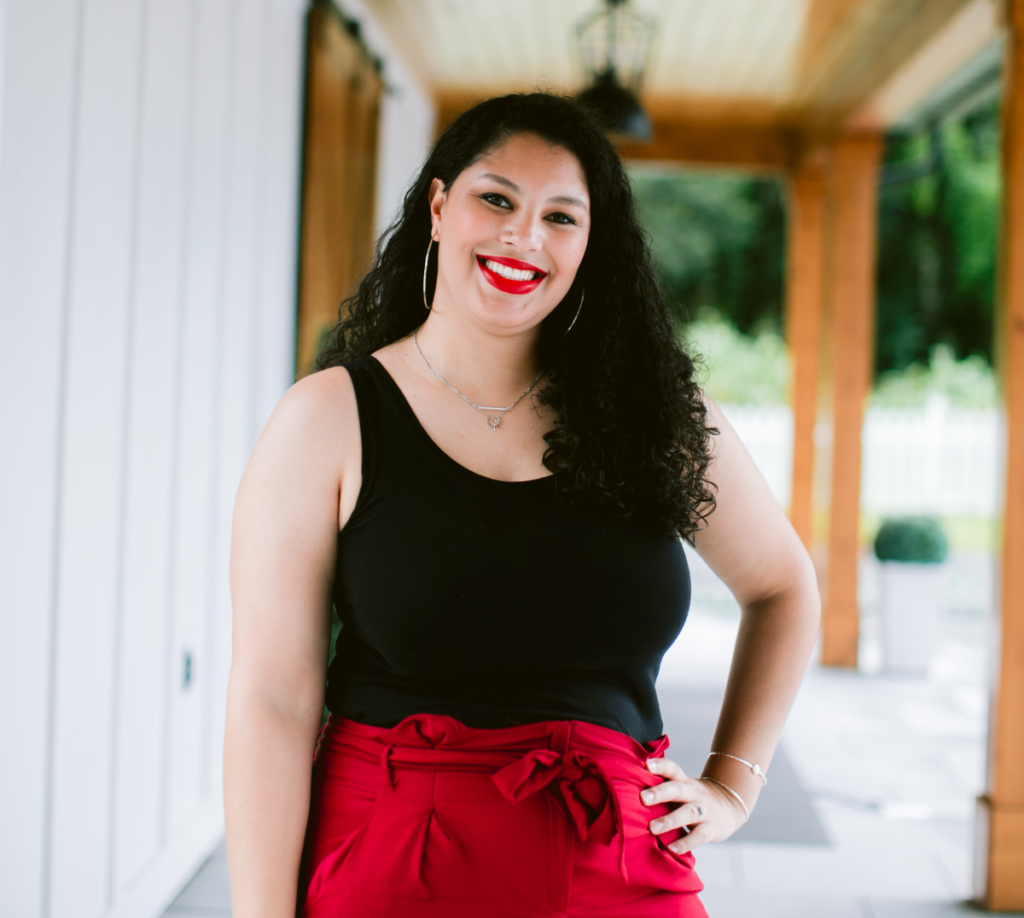
About the Author & Podcast Coach
Heidy De La Cruz is a podcast coach who helps Latinas start podcasts without feeling overwhelmed.
After launching her first podcast in 2022, she saw how many women had powerful stories, experiences, and business ideas but felt stuck by the planning, tech, and moving parts of podcasting.
Now she helps women go from idea to published show with simple, clear support that makes launching feel doable.
Whether you need a roadmap, hands-on help, or ongoing support, explore her services, including 1:1 Podcast Launch Strategy, The V.O.I.C.E. Method Podcast Launch Course, and Podcast Editing and Production Services.
Your voice deserves to be heard, and Heidy is here to help you bring it to life.
FAQs About Not Fitting In as a Black Woman at Work
Why do Black women often feel like they do not fit in at work?
Black women may feel like they do not fit in at work because they are often underrepresented, over-scrutinized, or expected to adjust how they speak, dress, lead, or express themselves. This can create pressure to code-switch, overperform, or hide parts of their identity to feel accepted.
What can help Black professional women feel more supported?
Community can make a big difference. Spaces like Mahogany Table help Black women professionals talk honestly about workplace stress, microaggressions, self-care, and belonging with people who understand their experience.
How can someone stop shrinking to fit into spaces that do not see them?
It starts with recognizing that belonging should not require losing yourself. Faith, community, self-acceptance, therapy, mentorship, and safe spaces can help you reconnect with who you are and stop performing for approval.
Key Takeaways
- Not fitting in can affect how you see your identity, your confidence, and your place in professional spaces.
- Latasha’s story shows the power of faith, community, and self-acceptance when you have spent years feeling out of place.
- Black professional women need spaces where they can rest, be honest, and feel supported, not just work harder.
- Belonging does not mean choosing one part of yourself. It means people will see you as you are.
You May Also Like
- From Deportation to Empowering Latinas with Gicela Holguin
- Immigrant Stories with Heather Reese: Journey to Law, Identity, and Community
- An Immigration Attorney’s Journey From Iran to Social Media Star
- From Mexico to Advocate: Teresa Foster’s American Dream
- Podcast Launch Coaching Services
- My Story as a Podcast Launch Coach
- To learn more about Latasha and her work, visit https://www.latashaferguson.com
The blog post is sponsored by: 360 Immigration Law