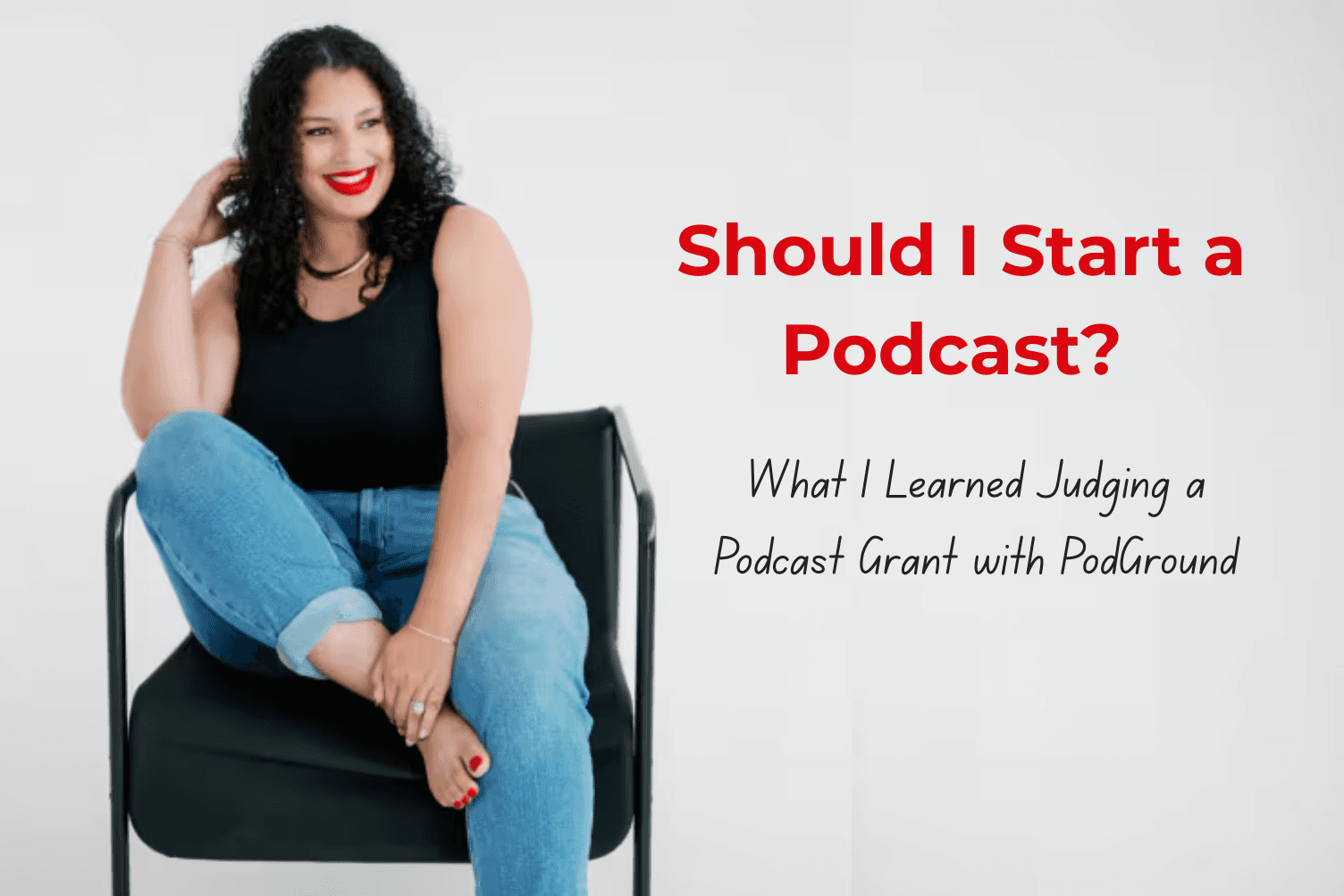
Should I Start a Podcast? What I Learned Judging a Podcast Grant with PodGround
TL;DR: Yes, you should start a podcast, but only if you know what it’s for. After judging the PodGround Creator Micro-Grant and reviewing 5+ podcast applications, the biggest thing I learned is that most people skip the one step that determines whether a podcast survives or dies.
Should you start a podcast? Short answer: yes. But not yet, not until you read this first.
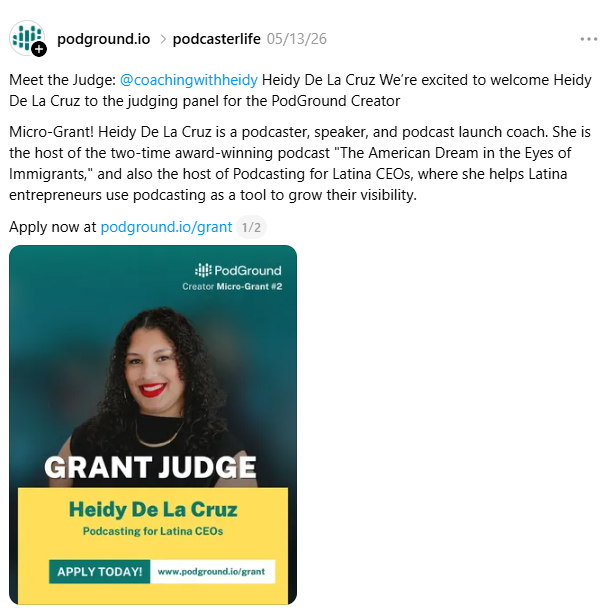
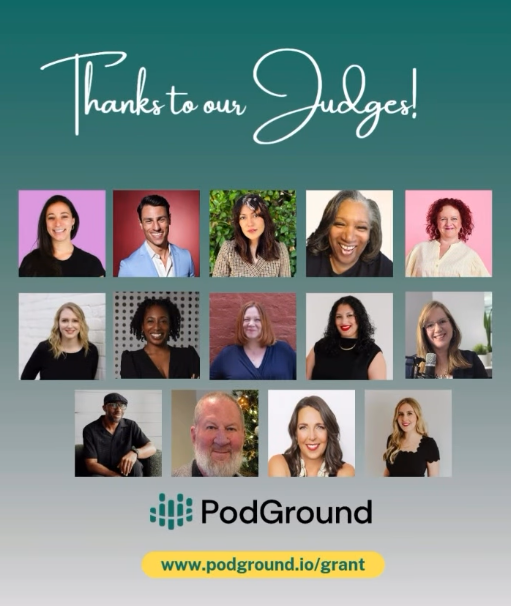
I recently served as a judge for the PodGround Creator Micro-Grant, a grant designed to help independent podcasters go the distance with funding and community support. I reviewed applications from podcasters across the globe, listened to their episodes, and evaluated their shows. And what I saw taught me more about why podcasts fail than anything I’ve read online.
This isn’t generic advice. This is what I saw with my own eyes, straight from the applications.
What Is the PodGround Creator Micro-Grant?
Before I get into the lessons, let me give you context on the grant itself.
PodGround is a platform built to support independent podcasters through training, resources, and community. Their Creator Micro-Grant awards $500 each to two independent podcasters who have been creating for three years or less. The money can go toward gear, hosting costs, or whatever the podcaster needs to keep going.
The grant also comes with visibility; winners get featured across PodGround’s website, social media, and newsletter.
I was honored to be part of the judging panel. And what I read in those applications? It changed how I coach podcasters.
What I Learned Reviewing Podcast Applications
1. Most podcasters can’t explain what their show is actually about
This was the most common problem across every application I read.
Podcasters would write one thing in their description and then submit episodes that had nothing to do with it. The title said one thing. The episodes said another. And the “who is this for” section? Blank or so vague it meant nothing.
If you can’t explain your podcast in one sentence, not a paragraph, one sentence, your listeners won’t be able to either. And if your listeners can’t explain it, they won’t recommend it.
Before you record a single episode, answer this: What is my podcast about, who is it for, and what do they walk away with after every episode?
If you can’t answer all three parts of that question clearly, you’re not ready to launch. You’re ready to plan.
Want a step-by-step plan to launch your podcast? The V.O.I.C.E. Method Podcast Launch Course has you covered.
2. The first step isn’t buying a microphone. It’s knowing the purpose of your podcast.
I saw applications from people who had professional-quality audio, a great mic setup, a logo, everything except a clear purpose for why the show existed.
Purpose is not your niche. Purpose is the job your podcast does.
Is it a funnel to bring in coaching clients? Is it a community for people who feel alone in their experience? Is it a platform to establish your authority in your industry? Is it just for you, a creative outlet that makes you happy?
All of those are valid. But they lead to very different shows. And you have to decide which one you’re building before you record episode one.
A podcast without a purpose is just audio floating on the internet, and no one will listen.
3. Everyone wanted to make money. Nobody was set up for it.
I get it. Monetizing a podcast is a real goal and a completely legitimate one. I talk about it with my clients all the time. A podcast absolutely can make money.
But here’s what I kept seeing: podcasters who said “I want to monetize my show” but had no plan for how. No email list. No product. No service. No sponsorship strategy. Just… the hope that money would show up.
Monetization doesn’t happen to a podcast. You have to build it into the show from the start.
That means knowing your audience so well that you can sell them something they actually need. It means having an email list so you own the relationship with your listeners. It means deciding early: am I selling my own offers, getting sponsors, or doing affiliate marketing?
You can monetize a podcast with fewer than 1,000 listeners. But only if you set it up that way on purpose.
4. The “quality” of a podcast matters less than you think
Here’s the one that surprised even me.
I listened to polished, high-production shows with great audio, professional intros, and smooth editing. And I listened to raw, unedited shows recorded on a laptop mic in a noisy room.
Guess which ones I connected with more? Sometimes the unpolished ones.
Because the host was present. They were real. They were talking to their listener like a person, not performing for an imaginary audience.
Good audio matters, I’m not going to pretend it doesn’t. But a mediocre mic and a genuine voice will beat a studio setup and an empty message every single time.
If you’re waiting until your setup is “good enough” to start, I have news for you: it’s already good enough. What you might be missing is clarity on why you’re doing this in the first place.
So, Should You Start a Podcast?
Yes. If you can answer these four questions.
1. What is your podcast about in one sentence? Not a paragraph. One sentence. If you need more than that, keep thinking.
2. Who is it for, specifically? Not “women.” Not “entrepreneurs.” Who exactly? What do they struggle with? What do they want?
3. What is the job your podcast does? Funnel. Platform. Community. Creative outlet. Pick one and build toward it.
4. How does your podcast connect to a way to sustain itself? An email list. A service. A product. Sponsorships. Something.
If you can answer all four, you’re ready. If you can’t, that’s not a reason not to start. That’s exactly why you need a strategy before you launch.
FAQ’s About Starting a Podcast
Do I need a big audience before I can make money from a podcast?
No. I’ve seen podcasters monetize with under 500 listeners because they built the right offer for the right audience. Size matters less than alignment. Know who you serve, have something to offer them, and the money follows from there.
How long should my podcast episodes be?
There’s no magic number. The right episode length is whatever it takes to deliver the value you promised, and not a minute more. Some of the best episodes I listened to during the grant review were under 20 minutes. Some needed 45. Follow the content, not the clock.
Do I need to be an expert to start a podcast?
No. You need to be one step ahead of the person you’re talking to, or simply willing to share your honest experience. Expertise is one way to serve your audience. Authenticity is another. Many of the most compelling applications I read were from people sharing lived experience, not credentials.
About the Author & Podcast Coach
Heidy De La Cruz is a podcast coach who helps Latinas start podcasts without feeling overwhelmed.
After launching her first podcast in 2022, she saw how many women had powerful stories, experiences, and business ideas but felt stuck by the planning, tech, and moving parts of podcasting.
Now she helps women go from idea to published show with simple, clear support that makes launching feel doable.
Whether you need a roadmap, hands-on help, or ongoing support, explore her services, including 1:1 Podcast Launch Strategy, The V.O.I.C.E. Method Podcast Launch Course, and Podcast Editing and Production Services.
Your voice deserves to be heard, and Heidy is here to help you bring it to life.
Ready to Start Your Podcast the Right Way?
If you read this and thought, ” Okay, I know I want to start a podcast, but I need help getting clear on the strategy”, that’s exactly what I do.
I’m a Podcast Launch Coach, and I help women launch their podcasts with clarity, confidence, and a plan. Whether you’re still in the idea stage or you’ve been “about to launch” for six months, I can help you go from thinking about it to actually doing it.
Grab my Podcast Workbook to start mapping out your show today. Or if you want to work through it together, book a one-hour strategy call and let’s build your podcast plan from scratch.
Your voice is needed. Your story deserves to be heard. And yes, you should start that podcast.
Key Takeaways
- Starting a podcast is a yes, but knowing what it’s for comes first.
- If you can’t explain your show in one sentence, your audience can’t either.
- Monetization is possible at any audience size, but only if you build it into the show from the start.
- Audio quality matters, but purpose and authenticity matter more.
- The podcasts that last have a clear reason for existing, and a community that shows up for them.