My Process for Planning Solo Podcast Episodes
One question I often get is: What is a good process for planning solo podcast episodes?
If you’ve ever wanted to start a podcast, or you already have one but feel overwhelmed creating solo episodes, this post is for you.
I’ll be honest: solo episodes used to feel intimidating. This is a normal feeling for those who have never recorded a solo podcast.
When you’re interviewing guests, the conversation flows naturally. But when it’s just you and the mic? That takes a different kind of preparation.
Over time, I developed a simple process to organize, plan, outline, and record my solo podcast episodes without feeling scattered or overthinking every step.
Steal my process for planning solo podcast episodes.
1. Capture Podcast Ideas in My Phone Notes App
Ideas don’t always come to me when I’m sitting down to plan content.
They usually come while I’m trying to fall asleep, on my morning walk, listening to another podcast, reading a book, or scrolling and engaging on Threads.
That’s why I keep a running list of episode ideas in my phone’s notes app.
Whenever something comes to mind, I write it down immediately.
Some ideas are fully formed.
Others are just rough thoughts like:
- Podcasting Myths
- Podcast Marketing
- Podcasting Mistakes to Avoid
- How to Grow Your Podcast
I don’t judge the ideas at this stage. I just collect them.
Tip: Don’t rely on memory. If an idea comes to you, save it. Also, it provides space for more ideas to come.
This is very similar to my blogging process.
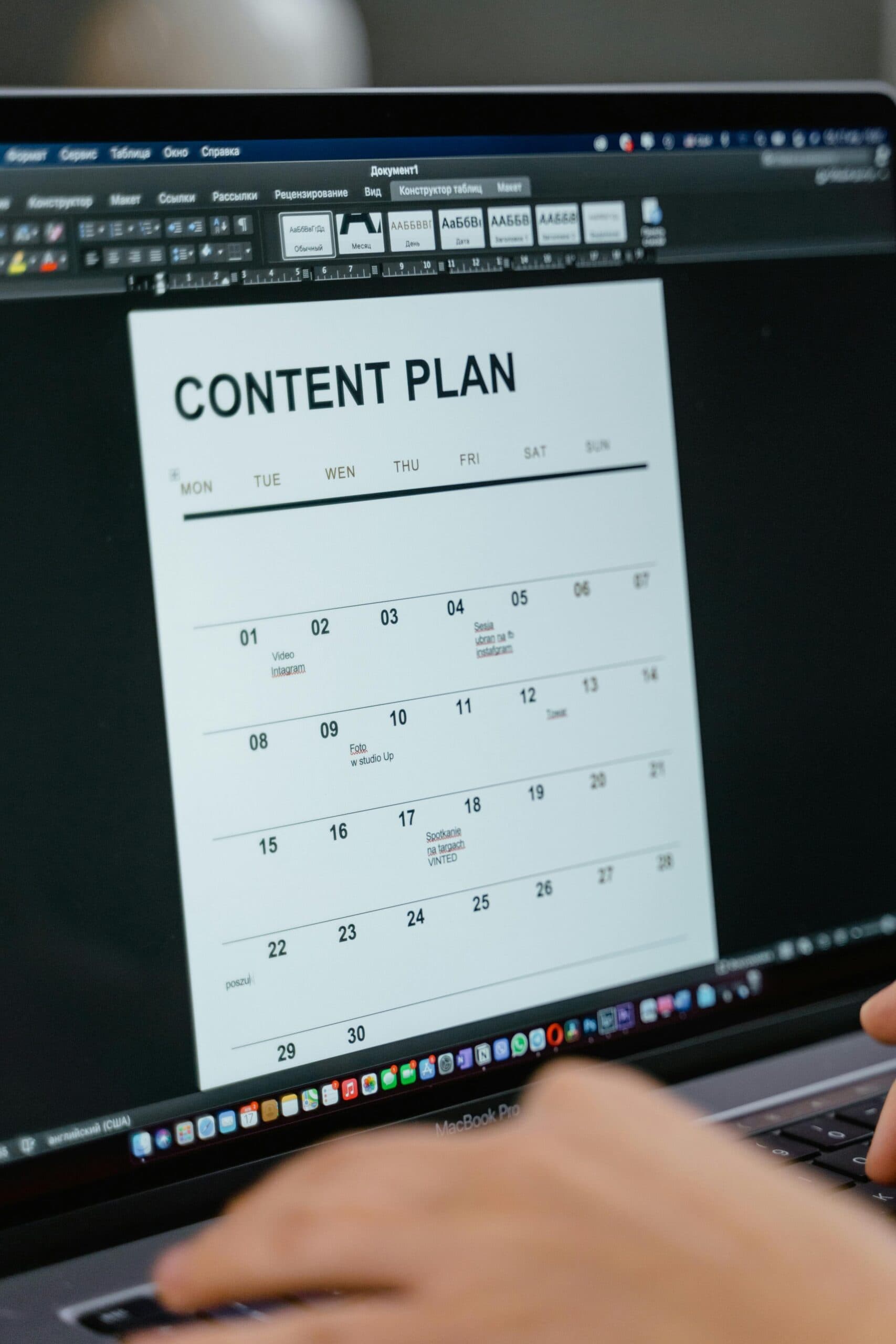
2. Set Aside One Day a Month to Plan Content
Instead of figuring out episodes week by week, I batch plan.
I dedicate one day at the end of each month to map out content for the following month.
This helps me:
- Stay consistent
- Reduce decision fatigue
- Align podcast episodes with blog posts, newsletters, or promotions
I’m not scrambling days before an episode goes live, wondering, What should I talk about?
Planning ahead gives me breathing room. Especially because I create so much content each week.
3. Outline the Key Points I Want to Cover
Once I choose a topic, I do not script every word.
I outline key talking points.
This is what keeps solo episodes structured while still sounding natural. And this is what works for me because I know other podcasters need to script every word.
My outline usually includes:
Introduction
- Hook the listener
- Introduce the topic
- Share why it matters
Main Talking Points
- Point 1
- Point 2
- Point 3
- Examples or personal stories
Conclusion
- Recap
- Final takeaway
- Call to action
Think of it as giving yourself guardrails, not writing a speech. And this helps to avoid ramblings and getting off topic.
4. Use Existing Blog Posts as an Outline (When I Have One)
This is one of my favorite content repurposing strategies.
If I’ve already written a blog post on the topic, I use that as my episode outline.
This saves time and makes content creation easier.
Your blog post already has:
- Structure
- Main ideas
- Supporting points
- Examples
- A beginning, middle, and end
Why reinvent the wheel?
Turn one piece of content into multiple assets. And repurposing blog posts into podcast episodes is the easiest!
One idea can become:
- A podcast episode
- A blog post
- A newsletter
- Social media content
- Pinterest pins
That’s content leverage.
5. Use ChatGPT to Help Me Outline New Episode Ideas
If I don’t already have a blog post written, I use ChatGPT to brainstorm or draft an outline.
Sometimes I’ll ask:
- Help me outline a solo podcast episode about [topic]
- What are 5 talking points for an episode on [topic]?
- Help me structure an intro, body, and conclusion for this episode
It helps me organize my thoughts faster.
I still bring my own stories, perspective, and expertise, but it’s a great brainstorming tool.
Another Post You May Enjoy: 10 Tips for New Podcasters
6. Make Sure I Have a Strong CTA
This is a step many podcasters skip.
Every solo episode should have a purpose.
What do you want listeners to do next?
That’s where your CTA (call to action) comes in.
My CTA might be:
- Subscribe to the podcast
- Join my email list
- Read the related blog post
- Share the episode
- Leave a review (this helps more than people realize)
- Check out an offer or resource
Don’t end the episode and just say, “Okay, bye.”
Guide listeners to the next step.
7. Record My Episode on Riverside
Once the planning is done, I record using Riverside.
I love having everything ready before I hit record.
While recording, I keep either:
- My blog post open
- My outline open
- My notes visible
This helps me stay on track and avoid rambling.
I’m not reading word-for-word.
I’m using my notes as a roadmap.
That keeps the episode conversational while making sure I hit all the points I want to cover.
Planning Solo Podcast Episodes Workflow, Simplified
Here’s my process in order:
- Capture ideas in my Notes app
- Plan content one day a month
- Outline key talking points
- Use blog posts as episode outlines when possible
- Use ChatGPT to help organize new ideas
- Add a strong CTA
- Record in Riverside with notes or an outline open
Simple.
Repeatable.
Sustainable.
Simple is sustainable. And this is how you continue podcasting long-term.
Final Thoughts on Planning Solo Podcast Episodes
Solo episodes don’t have to feel overwhelming.
You don’t need a complicated system.
You need a repeatable process.
Mine helps me stay organized, create consistently, and record with confidence.
If you’ve been putting off solo episodes because you don’t know what to say or how to structure them, try this workflow.
Start simple.
Refine as you go.
And remember: your audience wants your perspective, not perfection. People don’t relate to perfect.
How do you plan your solo episodes?
Do you script them, outline them, or free-flow?
I’d love to hear your process in the comments.
With Love, Heidy
Sign up for my newsletter to receive free weekly podcast mentorship from me!
P.S. Do you know what is actually holding you back from starting your podcast? Take the quiz and find out!