What Is a High-Risk Merchant Account and Why It Matters for Businesses
Not every business is going to be treated in the exact same way when they apply to accept payments. There are some companies that will easily open a standard merchant account, but others are going to face a lot of strict requirements because they have been classified by a number of financial institutions.
This is where the idea of high-risk merchant accounts will come into play. It’s a term that can often sound very intimidating when you first hear it, but it simply reflects exactly how payment providers evaluate the potential risk associated with a merchant.
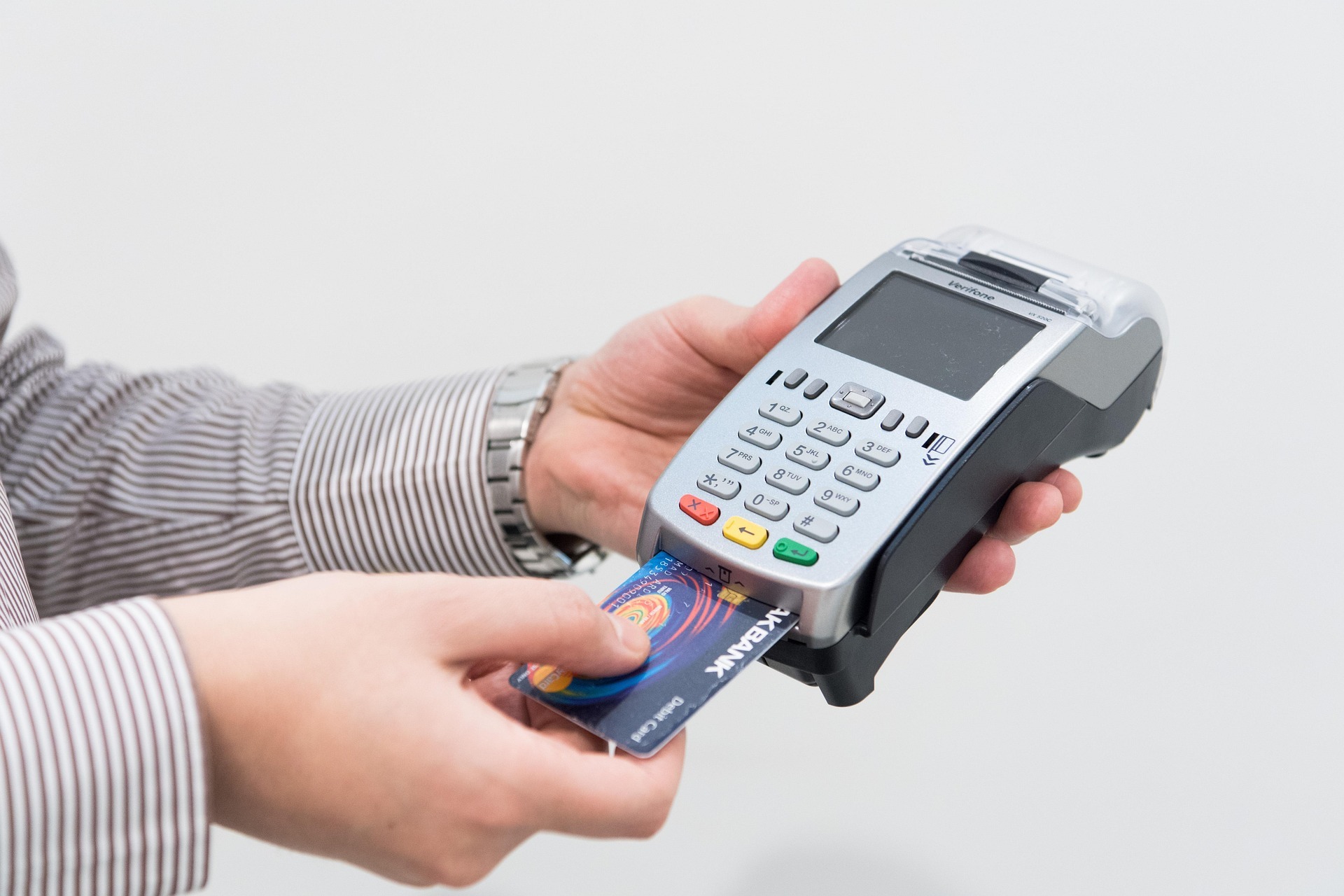
Image by Ahmad Ardity from Pixabay
Understanding the basics of High-Risk Merchant Account
A merchant account is a type of account that will allow a business to accept debit and credit card payments. It acts as a holding place for funds before they are transferred to the business’s bank account.
If you are wondering what is high risk merchant account, then you should know that having a high-risk merchant account will work in exactly the same way as a regular merchant account, but it has been specifically designed for businesses that are considered much more likely to experience issues such as chargebacks or even fraud.
The structure is similar, but the conditions are often very different.
Why some businesses are considered high risk
A business can often be classified as high risk for multiple reasons. In many cases, it has a lot more to do with the industrial patterns than the business. Factors such as selling your goods or services to international customers, offering subscription-based products, or operating industries that have a higher refund rate can all influence how a business is classified.
It is not necessarily a reflection on the business or that it has poor business practices. It is rather a risk assessment at a much broader scale.
A high-risk merchant’s account often comes with much stricter terms. Payment providers may apply processing fees that are much higher than regular accounts, and they often require additional monitoring to reduce the risk of potential loss.
There may also be a very detailed approval process when an account is being opened. All of these measures have been designed to protect both the provider as well as the business from having financial complications.
While this can often feel very restrictive, it is a part of managing higher levels of risk.
Why businesses still need them
Even when there are added conditions, these accounts are still very essential for many businesses. Without them it would be very difficult and sometimes even impossible for them to accept card payments.
Working with a system that will support a high-risk merchant account allows a business to continue operating while still trying assiduously to meet the needs and expectations of payment providers. It creates a path forward instead of a barrier.
Managing risk over time
Being in a high-risk category doesn’t necessarily mean that a business cannot improve its position from there. Over time, managing transactions well and reducing disputes can help them to have a very strong track record.
Clear policies, transparent communications as well as good customer service are all going to contribute to lowering the risk. These efforts can make a much more noticeable difference in how a business is viewed.
You May Also Like: Is The Bag Worth Losing Your People and Building Stability Behind the Mic
P.S. Do you know what is actually holding you back from starting your podcast? Take the quiz and find out!